Stay Active to Stay Alive
Years ago, while ghostwriting the testimony of an author from the East Coast, I glanced through parts of a book he had written.
I’ve long since forgotten most of the content, but one thing that stuck out to me was a study he cited on the need to remain active after age 65.
 The results showed the difference between seniors who continued to work or volunteer to give their lives purpose, and those who bought into traditional American retirement. Namely, sitting around aimlessly or pursuing leisure activities like golf, cruises, and shuffleboard games.
By the age of 75, eight of every 10 folks who stayed active were still alive. Eight of every 10 who retired were dead.
As I mark 75 years on Mar. 20, I’m happy to be in the “alive” group.
Keeping On Keeping On
Curious whether the study of Americans that the author cited was an outlier, I searched online and discovered similar results surfaced in a more recent study in Stockholm, Sweden.
Now, it wasn’t identical. Researchers there tracked some 1,800 adults age 75 and older. Half the participants lived longer than 90 years.
Of leisure activities, physical activity was most strongly associated with survival. The median age at death of those who regularly swam, walked, or did gymnastics was two years greater than those who sat around.
“The median survival of people with a low risk profile [healthy lifestyle behaviors, activity, and a social network] was 5.4 years longer than those with a high-risk profile…” researchers wrote.
Boring Lifestyle
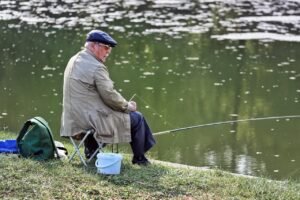 Several years ago, a friend’s husband retired. A year later, he went back to work—he got bored.
I have heard endless repetitions of similar tales. And not only is a lifestyle of leisure boring, according to the study I mentioned in the beginning, it’s also hazardous to your health.
To be honest, I recognize that a primary reason I’m able to keep working at this age is a relatively sedentary work regimen. Sitting and typing or researching on my laptop doesn’t wear me out physically, although the brainpower that goes into writing and editing can get awfully tiring.
Now, I can’t do as much as I used to, a fact that I’ve learned to get comfortable with. Anyone who brags that they’re still as vibrant at 75 as they were at 35 is either dreaming or flat-out lying.
Staying in the Game
Yet, I find life every bit as interesting as I did 40 years ago. In some ways, more interesting.
Over the past two years, I have written or edited some fascinating books. Books that I would have missed entirely had I swallowed the “retire at 55” myth peddled by people I compare to snake oil salesmen.
When we lived in Louisville, I read a profile in the Courier-Journal of a state employee. She drew plaudits from coworkers and officials for her hard work and expertise over three decades.
The saddest part of the story: she was retiring at the tender age of 54. The loss was inestimable. Had she worked for another decade, she could have mentored countless younger employees, kept Kentucky’s state government running more smoothly, and been a blessing to future generations.
In my mind, she missed “prime time.” At the point at which she could have made the biggest impact in the workplace, she vanished.
What I have learned is that staying active is the best prescription for living longer. As a friend used to say when another birthday arrived, making him one year older: “Beats the alternative.”


One Response
“I can’t do as much as I used to, a fact that I’ve learned to get comfortable with. Anyone who brags that they’re still as vibrant at 75 as they were at 35 is either dreaming or flat-out lying.”
I believe that some of those who stay mentally active, as well as physically active, after retirement from the 9-to-5 commuting world, may perhaps remain as vibrant as ever, but I’m thinking in deeper terms. The depth and purpose of life’s interests and occupations bring out our more resonant selves.
I am 72, myself, and have come to believe that my involvement in a young nonprofit foundation (which raises money to support first responder families in crisis) is likely to be the most important thing I will have ever done – my legacy, in effect. This work, along with my business work, challenge and stretch me more every day.
My mother, who died in 2020 at age 96, was dynamic (and feisty!) until the March 2020 lockdowns. Being her town’s news correspondent for 60+ years, she was always deeply involved in her community and region. The lockdown isolation killed her in eight months – she literally shriveled up. Never got sick, never lost her wit or wisdom, but her purpose was gone. She remained vibrant all her life, always curious, always learning, always engaging with people of every ilk. I could not have asked for a better role model.